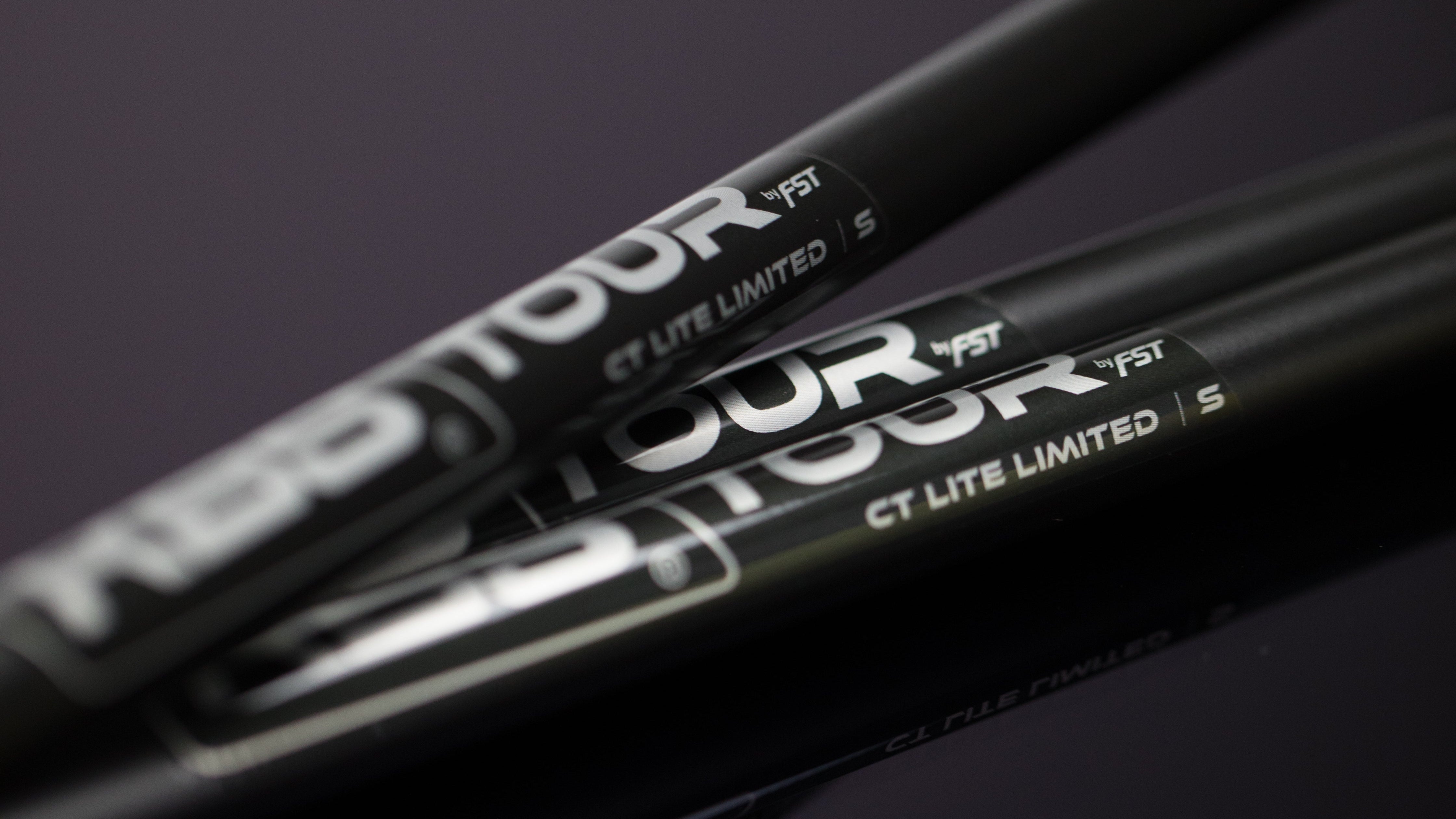
PGI or TGI? A Guide to Understanding the Differences Between KBS’s Two Popular Graphite Iron Shafts

As graphite technology gradually matures, the design philosophy for iron shafts is no longer focused solely on weight and stiffness. Instead, it has evolved to segment shafts based on specific swing conditions and shot requirements. Among the diverse options on the market, KBS has become one of the most discussed brands for golfers considering graphite shafts.
Among these, the PGI (Players Graphite Iron) and TGI (Tour Graphite Iron), both launched for advanced golfers, are the two series most frequently compared. However, with their similar names, it is easy to get them confused.
So, what exactly are the differences between the two? And how should we choose the right shaft for ourselves?
Understanding Graphite Technology: The Art of Precision-Stacked Performance

Compared to traditional steel shafts, the greatest advantage of graphite shafts lies in the flexibility and adjustability of their structural design. Through precision fiber-weaving, we can accurately control the kick point and torque of the shaft, allowing it to maintain solid feedback and landing precision at the moment of impact while reducing weight.
Traditional steel shafts are known for their simple structure and direct feedback, providing a clear, consistent feel that has long been the industry standard for iron shafts. In the past, there was a stereotype that graphite shafts lacked stability. However, with technological advancements, modern graphite shafts can now replicate the solid feel of steel through multi-layer fiber weaving, material stacking, and wrapping techniques. While maintaining high stability, they further optimize weight distribution and allow for fine-tuning of the kick point and torque to create a swing tempo that better suits individual needs.
KBS PGI vs. TGI: Analyzing Your Swing DNA
Unlike KBS’s distinct MAX Graphite Iron and GENERATION Graphite Iron series, many golfers are often confused when it comes to PGI and TGI. Both belong to the KBS graphite iron series, but their positioning and design intent are actually quite different.
To quickly identify these two series by name: Players Graphite Iron is designed to solve common ball-striking issues for a wide range of golfers; while Tour Graphite Iron is tuned specifically for the needs of professional players.
In the following sections, we will dive deep into the core characteristics and target audiences of PGI and TGI to help you find the choice that best fits your swing conditions.
PGI (Players Graphite Iron): Unleash Your Flight Potential

The design intent of the PGI is to optimize ball speed and launch height.
If you want your ball to get into the air more easily and achieve better stopping power on the green, the PGI’s unique high-launch design and high forgiveness will make your swing more effective, allowing you to unlock more aggressive distance.
TGI (Tour Graphite Iron): Synonymous with Ultimate Control

The TGI is designed for golfers who seek stability and precision. It perfectly inherits the E.I. curve and feel of the classic KBS TOUR steel shaft, effectively suppressing excess spin to produce a penetrating, mid-to-low launch.
For golfers with a consistent swing speed who need to control the ball accurately in windy conditions, the TGI’s superior torque-resistance is the key weapon for translating swing data into pinpoint landing accuracy.
Shaft Performance Comparison
If you are still unsure about the specific differences, you can refer to the table below:
| Performance Metric | KBS PGI (Players Graphite) |
KBS TGI (Tour Graphite) |
|---|---|---|
| Core Characteristics | Flight distance, high launch, high forgiveness | Stable control, mid-low spin, penetrating trajectory |
| Launch | Mid-High | Mid-Low |
| Spin | Mid-High | Low |
| Feedback | Abundant elasticity and propulsive feel | Solid, pure, and direct feedback (close to steel shaft feel) |
| Target Audience | Those seeking easy launch and increased distance | Those seeking pinpoint accuracy and stable control |
※ This table only displays the relative differences between KBS PGI and TGI. If you want to deeply understand the launch and spin characteristics of the entire KBS shaft lineup, please refer to the KBS Full Series Shaft Specifications Comparison Table.
How Do I Know Which One Is Right for Me?
After reading the above, do you have a better understanding of these two series? You might be wondering: How do I know which one is more suitable for me?
This actually depends on how well you know your own swing status. If you already have a very clear understanding of your needs, you can choose based on the specific details you want to improve. If you are still unclear about how to improve, you can also take our advice!
Clarifying Your Needs Through Data
The launch, spin, and stopping performance mentioned in the comparison table above can all be captured in detail using professional simulators like the GCQuad. If you hope to use scientific data to confirm whether a shaft can compensate for your current shot weaknesses, such as excessive spin or too low of a launch, professional data analysis will serve as an objective reference point.

Relying on Intuition via In-Person Testing
If you already know your requirements clearly, you can choose your product directly. However, there are countless shafts on the market, and even the most perfect data cannot replace the feeling you get at the moment of your actual swing. You have to test a shaft to know if you like it, so we strongly recommend experiencing it in person before purchasing.
Conclusion
Whether it is the power-focused PGI, the stability-seeking TGI, or any of the other uniquely featured KBS series, each product is born to allow different types of golfers to enjoy their game even more.
There is no absolute right or wrong, or a so-called "most premium" choice among these shafts; the real key is whether they are "right for you." From juniors and female golfers to advanced and even professional players, KBS shafts provide a wide range of options.
If you are considering a shaft change, try letting go of your preconceived biases regarding materials. Use data analysis to narrow down your options, then confirm the feel through in-person testing. When you find the shaft that feels the smoothest and provides the most stable performance data, you have found the perfect partner to help you take your game to the next level.
The shaft brand used by nearly 1/3 of the world's professional players
Book your fitting now and let KBS craft a unique club tailored specifically to you!
Further Reading
Is a professional fitting worth the cost? Breaking down the KBS professional fitting process and the logic behind custom tailoring!
── "Fitting Process Revealed: A Comprehensive Analysis of the 7 Professional Steps"
Why did my shaft suddenly snap? Understanding causes from breakage points and details of daily maintenance.
── "How to Properly Maintain Your Shafts? Key Daily Maintenance Tips to Avoid Breakage, Inaccuracy, and Extend the Life of Your Clubs"