The Ultimate Guide for Golf Beginners: Attire and Etiquette

After reading the first two articles, we are fully prepared with gear and accessories. However, once you actually step onto the course, you will realize that the most important aspect of golf is not technique, but etiquette and regulations.
This is a sport that places extreme importance on order and respect. From whether your attire is appropriate and whether your behavior affects others, to those unwritten details on the course that everyone silently follows, everything directly impacts whether you can complete a round of golf with peace of mind.
Even more uniquely, some first-time golfers are even reminded: "Remember to buy insurance."
You might find this strange—why would you need insurance for playing golf?
Don't worry! This article will guide you through every detail you need to know for your first official round, starting with dress codes and basic etiquette. This way, when you head out for the first time, you'll not only be dressed professionally and act appropriately, but you'll also avoid any embarrassing blunders!
Basic Dress Code: Achieving a Professional Look Between Tradition and Modernity
Back when golf was a sport for the aristocracy, the requirements for dress code were extremely strict. While modern course restrictions are not as stringent as they once were, adhering to the basic principles of respecting the venue remains a necessary line of defense. If you neglect these and wear inappropriate clothing, you might even be denied entry!
Collared Shirts are Standard
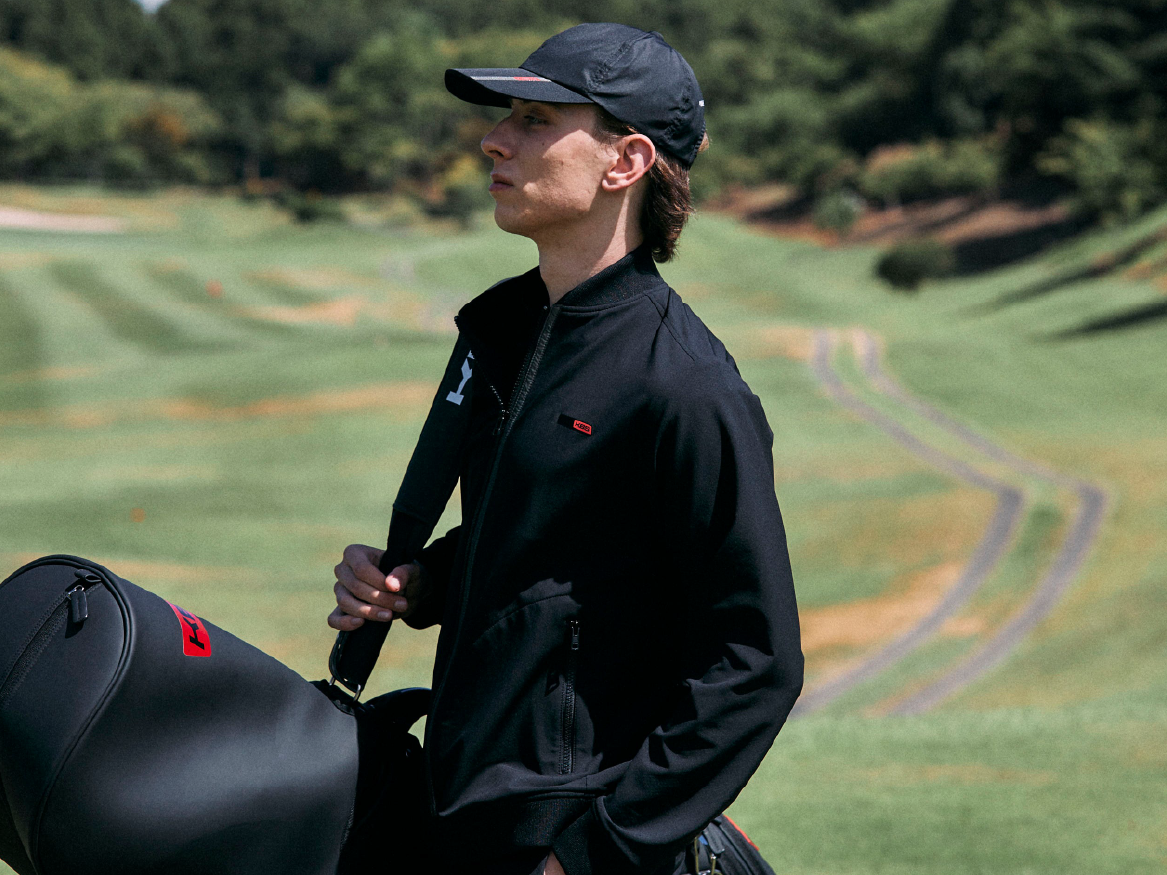
No matter how hot the weather is, a collared polo shirt remains the gold standard on the course. In addition to classic styles, there are now many designs that combine fashion and function, such as mock necks or half-zip tops, both of which are stylish and compliant with etiquette guidelines.
However, I must remind everyone to avoid casual T-shirts, athletic tank tops, or overalls. This is not only to comply with course rules but is also a matter of attitude. By dressing appropriately, you show respect to your teammates, the venue, and the sport itself.
The Balance Between Function and Aesthetics
In more traditional guidelines, men are usually required to tuck their shirts into their trousers. Beyond looking neat, there is a practical benefit: tucking in your shirt ensures the hem doesn't flutter and interfere with your swing, and it also prevents accidental exposure of your midriff while swinging.
Although there is no hard requirement to tuck in shirts nowadays, if you choose not to, remember to select a shirt with a moderate hem length to keep your overall appearance clean and sharp, avoiding an overly casual look.
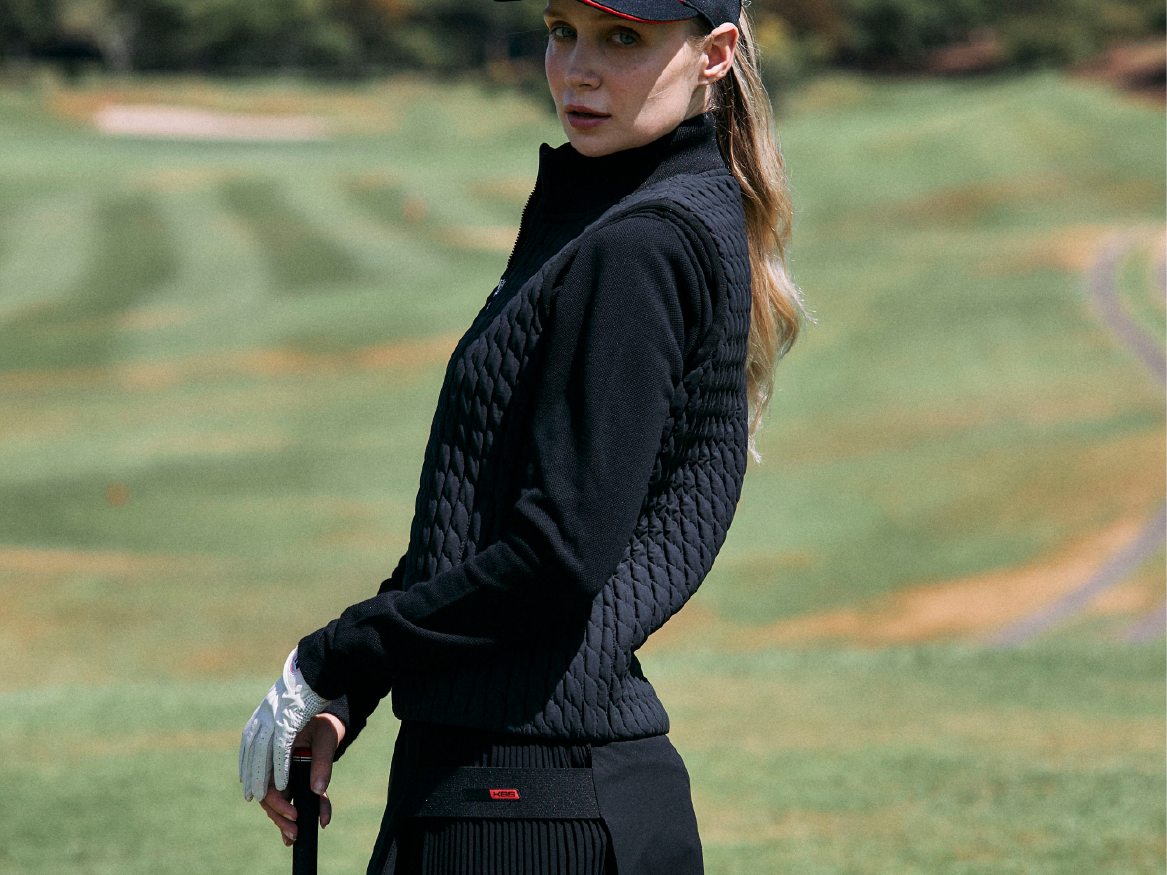
Female golfers have a wider range of clothing choices with fewer rigid restrictions, and sleeveless collared tops are acceptable. Nevertheless, it is recommended to keep elegance and grace as your principle. Choosing styles with appropriate tailoring that are not overly revealing will not only allow you to move more freely but will also showcase the unique sophistication of the sport of golf.
Avoiding Pitfalls in Bottoms
At most courses, jeans are strictly prohibited. Beyond that, cargo pants with too many pockets, overalls, or overly casual sweatpants are all "fashion landmines" that beginners should avoid. Wearing appropriate bottoms allows you to demonstrate your respect for the sport from the moment you step into the clubhouse.
It is recommended that men choose dedicated golf trousers or shorts of an appropriate length (around knee-length). Additionally, wearing a belt is an important detail; it not only holds your pants in place during powerful swings but also instantly elevates your overall professionalism, making you look more energized.
Women's choices are relatively flexible. In addition to trousers, dedicated golf skirts or simple, well-designed dresses are both aesthetically pleasing and convenient choices. Similarly, remember to avoid jeans or overly long skirts to prevent inconvenience while walking or swinging, or even the risk of tripping.

The Secret of Functional Apparel: More Than Just Good Looks—It's About Performance
After understanding the basic dress etiquette, we will now discuss the little secrets hidden in your equipment. We often see golf shoes or gloves in the market emphasizing various powerful functions; you might be curious: does investing in these dedicated items really make a difference on the course? Or are they just marketing gimmicks?
To be honest, while these items are not strictly necessary, they are designed to help you perform more consistently and make the process of playing more comfortable. Listed below are items you should consider evaluating based on your needs.
Golf Shoes
Why is it not recommended to wear regular sneakers? Besides the lack of grip which causes your base to slip and leads to inaccurate shots, another key reason is to protect the turf. The sole design of golf shoes distributes pressure evenly, preventing damage to the quality of the fairway grass.
On slippery slopes, ordinary flat shoes can easily cause you to slip and embarrass yourself. Switching to a pair of dedicated golf shoes not only helps you play steadily but is also a gentle way to care for the beautiful course.
Sun Hat
A hat is not just for sun protection; it has a significant strategic function: filtering out harsh glare that disturbs your vision. On a sunny course, a hat helps block glare, which is crucial for judging the slope and undulations of the green, allowing your eyes to lock onto the flagstick target more accurately.
Glove
Beginners are usually advised to wear at least one glove (left hand for right-handed players). A glove not only increases the friction of the grip and provides anti-slip effects but also absorbs moisture and wicks away sweat. This prevents the club from slipping due to sweaty palms during the round, which would otherwise affect your swing feel. Of course, some golfers prefer not to wear gloves, so it is recommended to play a few more times and evaluate which method works best for you.

"Invisible Rules" on the Course: The Devil is in the Details
After learning the basic dress code, we move on to the even more important topic of course etiquette.
On the golf course, good skills will earn you applause, but good etiquette will help you win the genuine affection of your fellow players. Some details, though small and easily overlooked by beginners, are often the key indicators of whether you "understand the culture of the game."
The "Invisible Landmine" on the Green: Protecting Your Partner's Line
When everyone arrives at the green to prepare for putting, there is one "invisible landmine" beginners most easily overlook: never step on your partner's "putting line." This refers to the anticipated path between your partner's ball and the hole.
Why is this so important? Because the grass on the green is trimmed extremely short and is very delicate. When we step on it, the subtle indentations or flattened grass blades caused by our weight—though not always visible to the naked eye—act like invisible little potholes for a lightweight golf ball.
These tiny changes in the turf can directly alter the trajectory of the ball, instantly rendering the putting line your partner worked so hard to observe and read useless. Therefore, when moving on the green, taking a detour to walk behind the ball is a thoughtful and polite gesture common among golfers.
Avoid Your Partner's Line of Sight: Giving Them Your Undivided Focus
When your partner is preparing to hit the ball, please be mindful of your position and try your best not to appear in their line of sight.
Golf is a sport that requires extreme concentration, and human peripheral vision is highly sensitive to "moving objects" or "swaying shadows." If you stand in their field of vision, even a tiny shift in weight or adjusting your hat brim can disturb their focus and lead to a missed shot.
The ideal practice is to stand to the side-rear of the person (behind the player) and remain still. This position allows you to see the flight path of the ball clearly while ensuring you don't place any psychological pressure on your partner; it is a very professional and thoughtful detail on the course.

Stay Quiet: Giving Your Partner Pure Space to Focus
While golf is a great social sport and it is normal for everyone to chat and exchange ideas on the course, be aware: when your partner is standing at their ball preparing to swing, please proactively stop chatting and remain quiet.
Those few seconds of concentration are critical for the hitter, as any sudden noise or conversation can easily break their swing rhythm. Giving the time and space to the person about to hit, at the right moment, not only prevents them from being distracted but is also a professional courtesy that shows you want them to play their best. After the ball is hit, it's not too late to offer compliments or continue the conversation!
The Mysterious Hole-in-One Insurance: Insure Your Luck!
The "Hole-in-One Insurance" that beginners hear about most often is actually in response to the unique "culture of sharing" in golf.
In the tradition of golf, achieving a "Hole in One" is the ultimate honor, but it also comes with massive social expenses—you might need to treat fellow players and staff to meals and drinks.
Therefore, the existence of hole-in-one insurance ensures that when you create a miracle and share the joy with everyone, you don't have to worry about this "sweet burden" hurting your wallet.
Advanced Practice: Controlling the Ball is Also a Form of Etiquette
Beyond attire and conduct, there is another form of etiquette that is hardest for beginners to control but most likely to cause anxiety: "how to reduce the waiting time caused by poor shots."
Many golfers have similar experiences as beginners: hesitation because they are unsure which club to pick for the current situation, or the ball flying uncontrollably, resulting in spending a lot of time searching for the ball, which causes the entire group to fall behind and even affects the players behind you. The psychological pressure of "fearing you are delaying everyone" often makes you play more anxiously, leading to more mistakes and a vicious cycle, ultimately preventing you from enjoying the game.
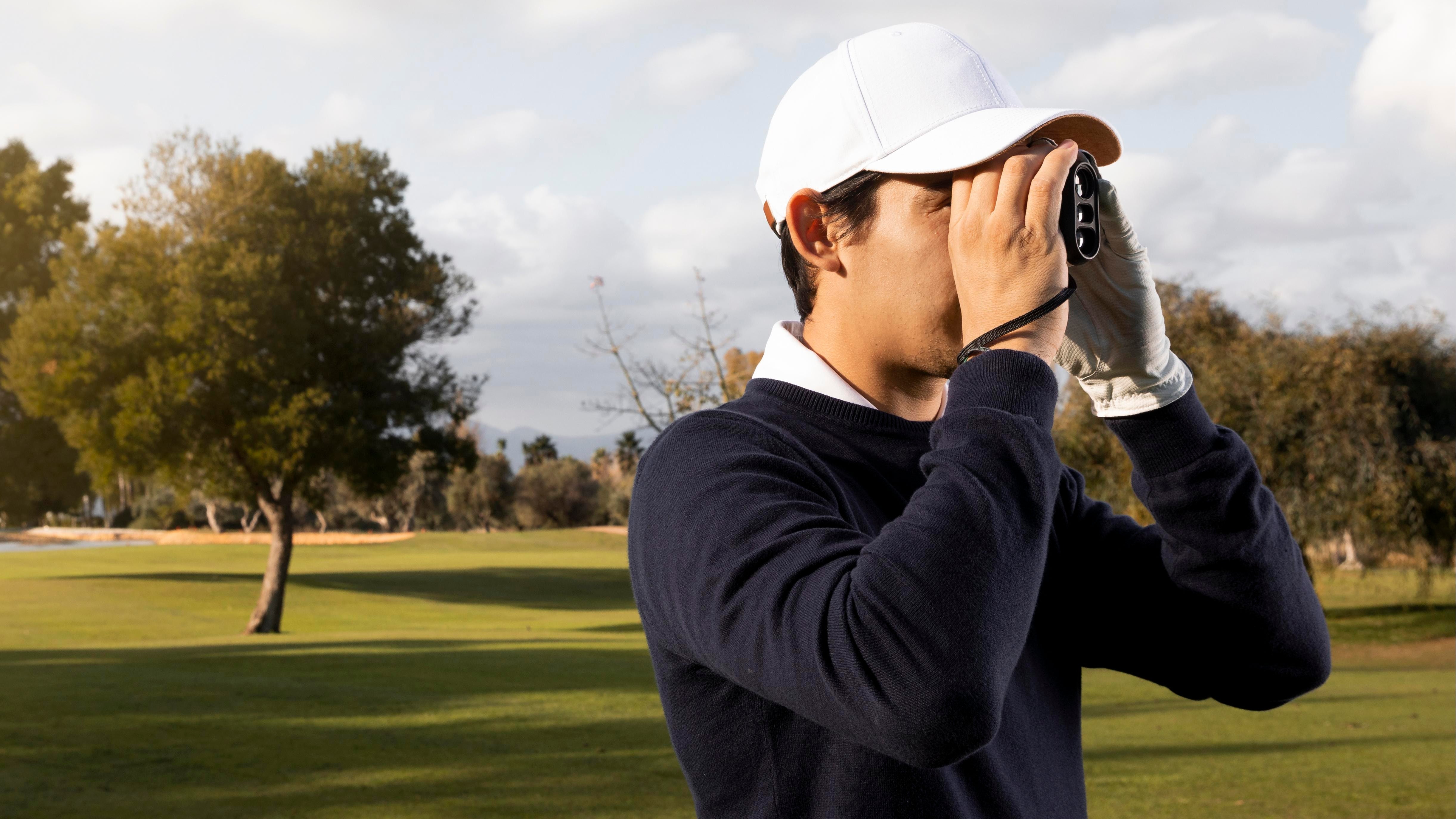
Actually, the key to breaking this deadlock lies in "precisely mastering distance" and "stable ball flight." When you have the confidence to know how far each club in your hand hits and where it will fly, you spend less time looking for the ball and your club selection becomes decisive, allowing you to play the entire round with ease and elegance.
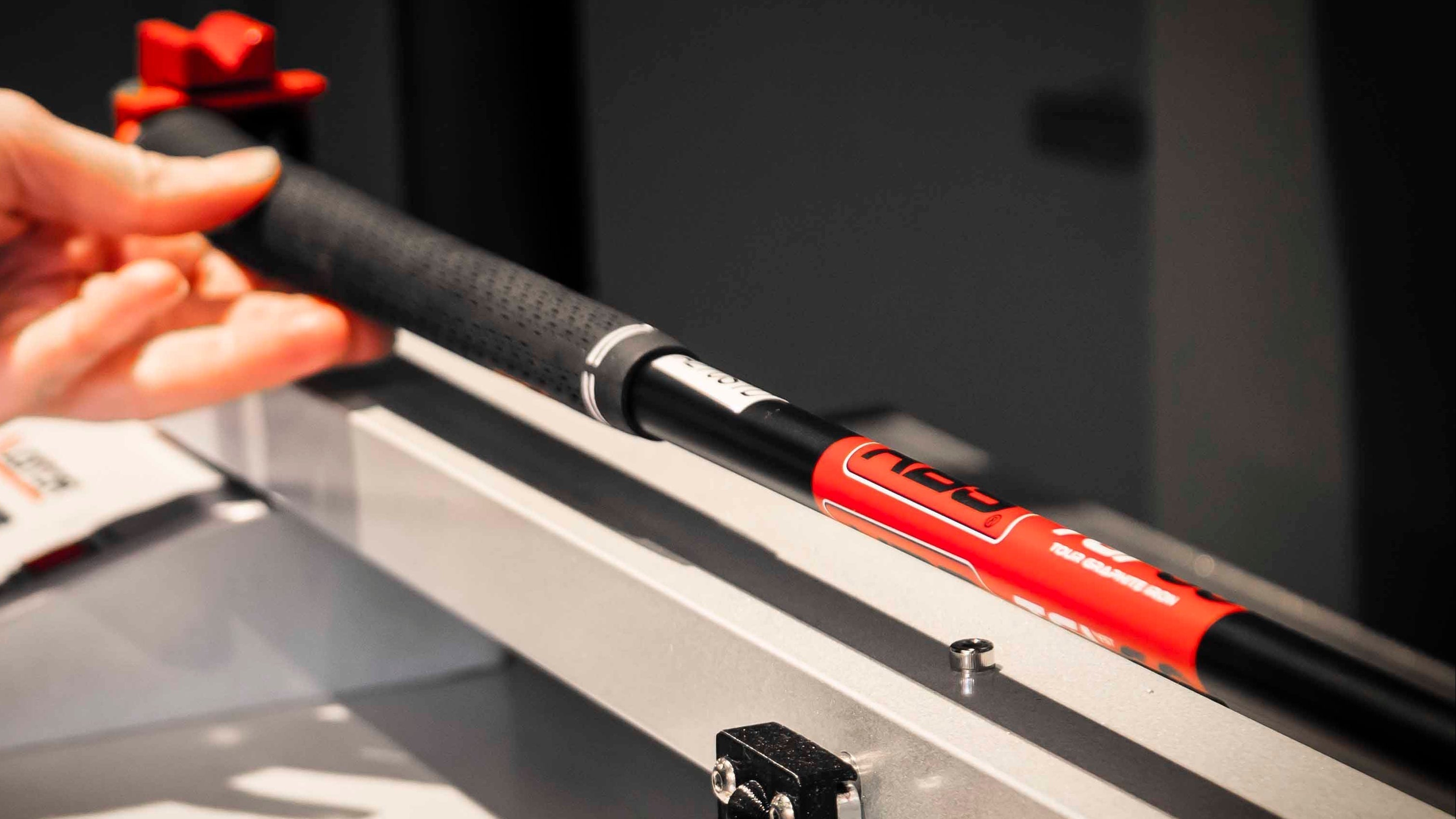
Before heading out, we recommend visiting KBS to experience our fitting service. We will help you find the KBS shaft that matches you best and clarify your yardage gaps. When you know exactly how far each club hits, you will perform more confidently and decisively on the course. This sense of inner stability gives you more room to appreciate the sunshine and the grass, allowing you to truly enjoy every moment of golf!

Conclusion: You're Ready, Let's Go!
After reading this three-part series, you are fully prepared in terms of equipment, strategy, and social etiquette.
Now, take your most trusted clubs, wear your appropriate attire, and confidently head to the first tee. When you demonstrate the poise of someone who respects the course and is thoughtful toward fellow players, you have already won half the battle!
Wishing you a beautiful and composed first shot on the course!
The shaft brand chosen by nearly 1/3 of professional players worldwide
Book your fitting now and let KBS help you create one-of-a-kind, custom clubs just for you!
Further Reading
Do you really need to buy a full set of gear? How should you pack accessories? You can stay composed and confident on your first round!
──《The Ultimate Guide for Golf Beginners: Clubs and Accessories》
Forgetting to bring things is so embarrassing... Must-have golf course items every beginner needs to know!
──《The Ultimate Guide for Golf Beginners: Gadgets and Essentials》