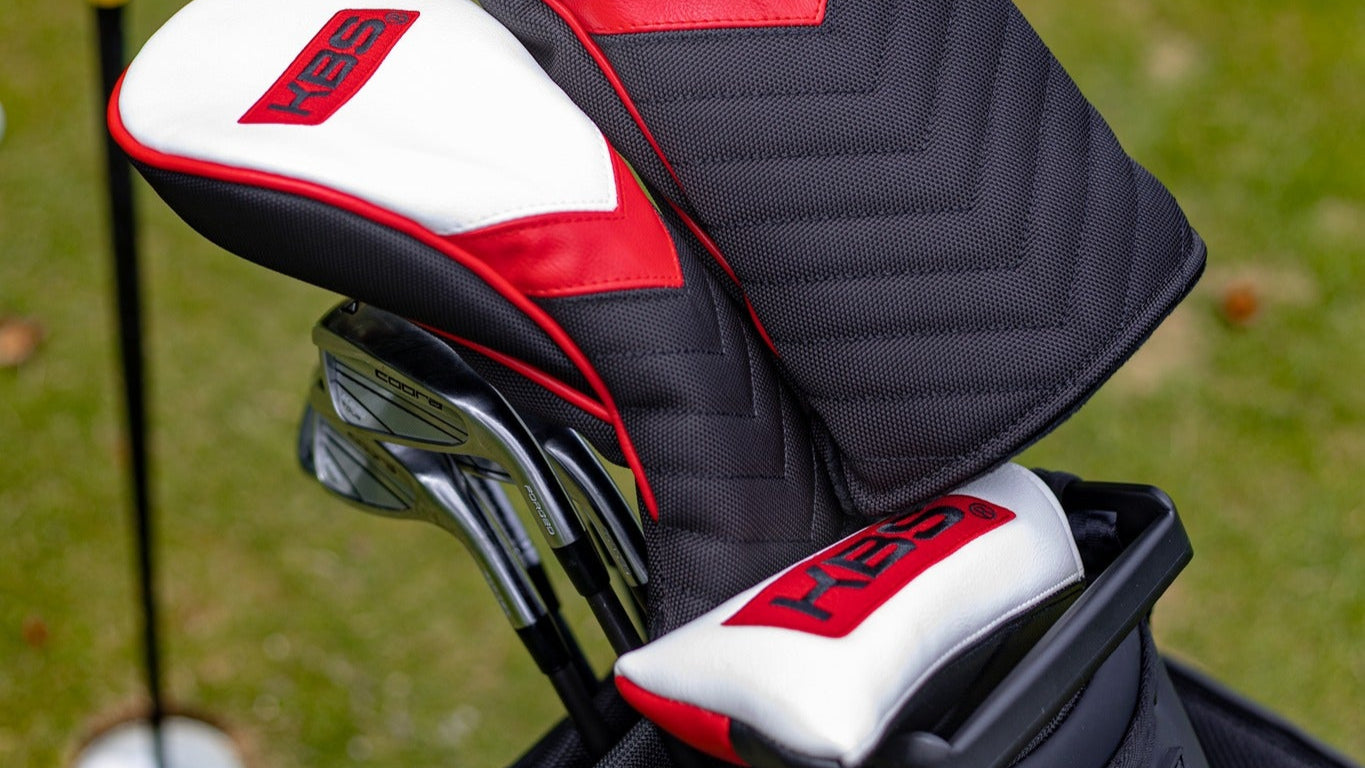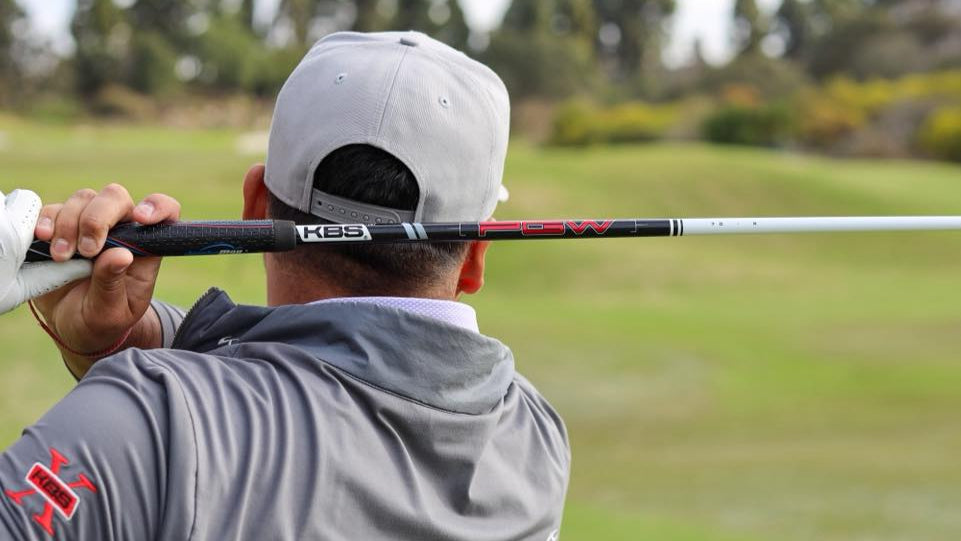
Should Iron Clubs Use Steel or Graphite Shafts? Five Scenarios for a Smarter Choice!
 How to Choose Iron Shafts? Start by Understanding Material!
We have previously discussed how to choose wood shafts, covering the basic operating principles and general principles of selection, as well as the impact different wood shafts have on drive distance and stability. However, while drivers may be eye-catching, the true heroes that determine whether you can reach the green and maintain a consistent score are your "irons"—they are the tactical core of your golf bag.
So, let’s talk about the key points for choosing iron shafts!
Iron shafts on the market primarily come in two materials: "graphite" and "steel." Many golfers find this confusing—what are the main differences, and which one is better for you?
There is a common perception: graphite shafts are lighter and suitable for players with less power, such as women, seniors, or juniors; while steel shafts are stiff and heavy, making them the only choice for male golfers.
While this aligns with most situations, there is a hidden pitfall. Choosing based solely on these assumptions can lead to poor performance and even sports injuries!
The New Standard for Lightweight Play – Graphite Shafts

Characteristics and Advantages of Graphite Shafts
The most immediate characteristic of graphite shafts is that they are "light." A lighter shaft makes your swing feel less laborious, potentially increasing clubhead speed—a great incentive for those looking to hit the ball further.
Another strength of graphite is its ability to absorb much of the impact and vibration generated at the moment of contact, resulting in a softer, more comfortable feel. If you often experience wrist or elbow discomfort, graphite shafts might help.
Furthermore, by adjusting the carbon structure, manufacturers can create a variety of flex and torque specifications to meet different needs. In terms of design, graphite shafts generally offer a higher launch angle and better forgiveness, making it easier to get the ball into the air, which is more friendly for players still pursuing consistent contact.
Who Should Consider Graphite First?
In summary, graphite shafts feature lightweight, vibration-absorbing, and flexible qualities. If you aren't sure whether to choose graphite, consider the following points:
- Your swing speed is still developing and requires assistance from a lightweight shaft.
- You have average strength: e.g., some female players, seniors, or juniors.
- You prioritize comfort and are sensitive to the direct feedback of steel shafts.
- You want to protect joints like elbows and wrists and need high vibration absorption.
- You want the ball to fly higher and stop more easily on the green.
If these situations apply to you, a graphite shaft might be a great choice.
The Stable and Reliable Standard – Steel Shafts
 (Image courtesy of 2025 PGA Championship)
Characteristics and Advantages of Steel Shafts
As a classic component of golf clubs, steel shafts remain the top choice for many experienced golfers and professionals today.
Compared to graphite, steel shafts are generally heavier. This weight promotes a more stable swing path and a solid feel at impact. Many golfers enjoy the sensation of force transferred directly back when hitting the "sweet spot."
The weight of steel shafts also directly influences stiffness, minimizing torque and twisting at high swing speeds. This helps maintain a stable clubface during the swing, increasing accuracy. For golfers with high swing speeds and enough power, the stability of steel shafts allows for better control over trajectory, producing piercing shots that are less affected by wind—a primary reason professionals lean toward heavier, stiffer steel.
Another widely praised feature is that it does not "mask" the feeling of the hit; feedback is direct, letting you know exactly how and where you hit the ball. This is vital for golfers looking to refine their skills who need to clearly understand their contact quality.
Additionally, steel is durable, less susceptible to temperature-related performance changes, and usually more cost-effective.
How Do I Know if Steel Shafts are Right for Me?
Overall, steel shafts are heavier and stiffer, provide direct feedback, and allow for precise trajectory control. Consider the following points to see if steel shafts meet your needs:
- Fast swing speed and sufficient strength.
- Enjoy a solid feel and require clear feedback at impact.
- Pursue a stable trajectory and ball-control performance.
- Have budget considerations and seek a balance between performance and price.
If the above points align well with your requirements, you might want to start by considering steel shafts.
Judging by "Swing Feel": Five Scenarios to Help You Choose Wisely!
While the theories mentioned above are important references, actual feel varies from person to person. If you encounter the following situations while playing, your equipment may be "complaining" and reminding you it's time to find a more suitable partner:
 Scenario 1: The swing feels like "dragging" something; it feels labored?
-
- Situation: You always feel the club is heavy; every swing requires extra effort to generate speed, and your arms feel sore after just a few holes.
- Possible Cause: The shaft might be too heavy or too stiff for you, making it difficult to swing.
- Adjustment: Try a lighter, more flexible shaft. Graphite shafts are often a great starting point for a smoother swing.
Scenario 2: Hands feel "numb" or joints ache at impact?
-
- Situation: Every contact transmits a noticeable vibration, sometimes "stinging" your hands; your wrists or elbows feel uncomfortable after play.
- Possible Cause: The current shaft has poor vibration damping, transferring impact force directly to your body.
- Adjustment: Graphite shafts generally perform better here; their shock-absorbing characteristics effectively reduce discomfort.
Scenario 3: Club feels "flimsy," resulting in erratic flight and unstable trajectory?
-
- Situation: You feel the shaft can't keep up with your tempo; it feels shaky and unstable. Your accuracy is poor, or the trajectory balloons and is easily influenced by wind.
- Possible Cause: The shaft might be too soft or too light for you.
- Adjustment: You may need a more stable, substantial shaft to control direction and trajectory. Steel shafts usually offer better stability; try different KBS weight/flex specifications.
Scenario 4: You put in effort, but the ball feels "stifled" and distance is lacking?
-
- Situation: You feel your swing speed is adequate, but the ball doesn't "spring" off the face. Distance is below expectations, feeling "dead."
- Possible Cause: The shaft is likely too stiff! It prevents the shaft from loading/unloading effectively at contact, wasting energy.
- Adjustment: Try a shaft that is one or half a flex softer! Whether steel or graphite, finding the flex that matches your rhythm allows for an effective "release," converting power into distance.
Scenario 5: Ball-striking is hit-or-miss with wildly inconsistent trajectory?
-
- Situation: With the same swing, sometimes it feels great, other times it feels wrong and the trajectory is far off expectation.
- Possible Cause: Beyond your own swing mechanics, the shaft performance might be inconsistent, or the weight/flex profile doesn't fit your swing.
- Adjustment: Look for a more consistent shaft. Steel shafts are known for consistency, or consider high-quality graphite like KBS TGI, which demands high manufacturing standards. The goal is a shaft that provides consistent feel and results.
 Bust the Myths! Did You Know Pros Use Graphite Too?
If you still think the bags of pros are exclusively steel, it's time to update your perspective! While steel is a top choice, more top players—both men and women—are adopting graphite for their irons.
Modern graphite technology is mature; it's no longer just the "light and soft" stereotype. For example, the KBS TGI (Tour Graphite Iron) series, designed for tour-level play, offers the comfort and shock absorption of graphite while achieving stability and control that rivals steel. Some players even use graphite to make minute adjustments in weight or characteristics to achieve specific trajectories.
Don't assume only those seeking lightness choose graphite. Some power-hitting female pros opt for "heavyweight" configurations to maximize stability and wind resistance. This might mean heavy steel or high-end custom heavy graphite. The key is "suitability," not just material or gender.
Conclusion
Don’t force it, don’t judge by looks—let feel and data guide you.
Choosing iron shafts is a highly personal matter. Don't force yourself to use specs you can't handle just because "pros use steel," and don't make impulsive purchases just because a graphite shaft looks cool.
The best method is to test them out. Feel the difference in materials, weight, and flex. Which one feels smoothest? Which results in ball flight that matches your expectations? If possible, book a Fitting session to analyze your data (clubhead speed, launch angle, spin rate, etc.) and use science to verify if your current setup is right for you.
Remember, choosing the right shaft doesn't just elevate your game—it ensures you play comfortably for the long run, avoiding injury. Investing the time to find the perfect iron shafts is a worthy endeavor for the ultimate swing experience!
The shaft brand of choice for nearly 1/3 of the world's professional golfers
Book your Fitting now and let KBS help you build your one-of-a-kind, exclusive clubs!
Further Reading
The Big Question on Shafts: Details Manufacturers Won't Tell You
── "Understanding Golf Shafts: The Key Force for Beginners to Advance"
Beyond Choosing Materials, Specifications Are Just as Crucial!
── "Stop Your Ball from Flying Erratic! Shaft Buying Guide: 3 Keys to Mastering Shot Patterns"